Ground-level guide
8 roof warning signs you can check from the ground
Use safe exterior and interior views after Oklahoma hail or wind. This guide helps you document visible signs, not diagnose roof damage.
Reviewed 2026-05-16
Start here
Stay off ladders and off the roof.
Best first photo
Wide shot from stable ground.
Call now if
Active leak, sagging, or unsafe utilities.
Short answer
Check safely, document what changed, and escalate real warning signs.
- Stay off the roof and off ladders during and after severe weather.
- Take wide exterior photos first, then closer photos only from stable ground or safe interior views.
- Use the eight visible signs below to organize notes; call a qualified professional for active leaks, sagging, or unsafe utilities.
Safety first
Keep the check on stable ground
Use the yard, driveway, sidewalk, street, rooms inside, garage, or a safe attic access point. Skip any view that requires a ladder, roof access, wet footing, or moving debris near wires.
Stop the checklist if the area is unsafe.
Downed lines, gas smell, active structural movement, wet electrical fixtures, and floodwater are not roof-check tasks.
Photo plan
Make photos useful before you zoom in
- 1
Take wide exterior photos first: front, back, and each side of the home from safe ground.
- 2
Then take closer photos only from stable ground, a window, a safe attic access point, or a garage.
- 3
Save notes by side of house or room so a roofer, insurer, or adjuster can understand what changed.
Warning signs
Compare visible examples, then decide what is worth documenting
Look for change, pattern breaks, or fresh interior signs after a storm. These examples are prompts for notes and photos, not a substitute for a qualified roof inspection.
Checklist
0 of 8 checked
Checking items is only a note-taking aid. It is not a damage score.
Symptom 1
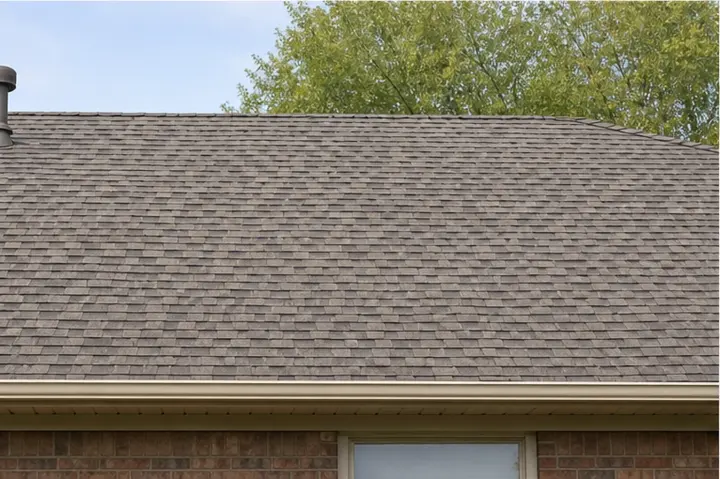
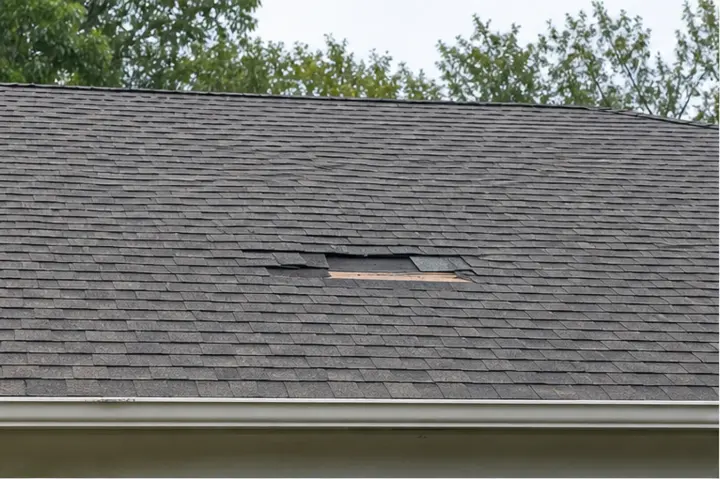
Missing or lifted shingles
Look for pattern changes, bare patches, or tabs that do not sit flat.
Flat rows
Bare spots
Symptom 2
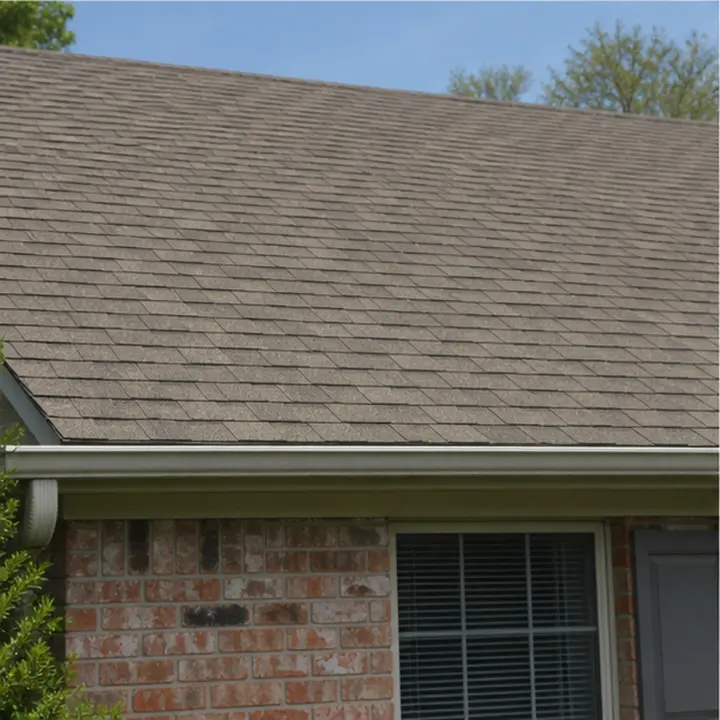
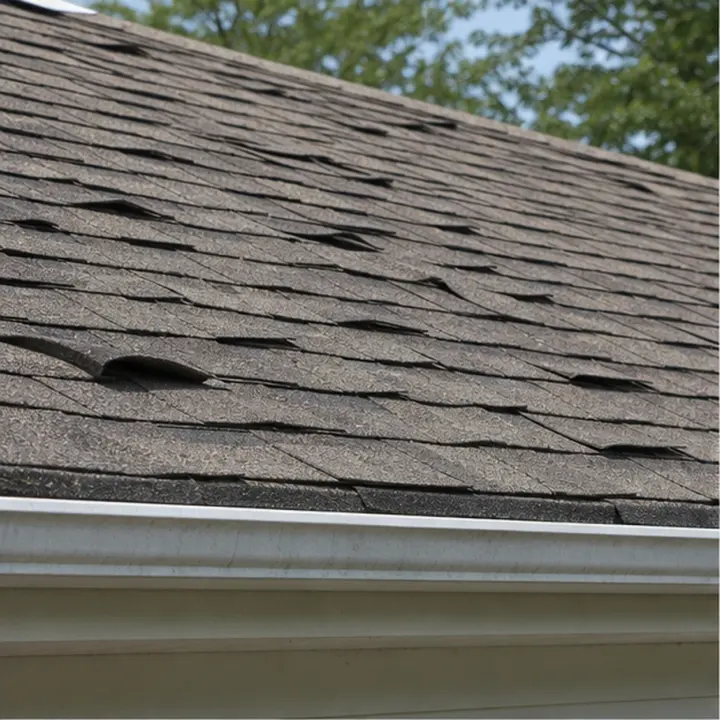
Curled or bent shingles
From the ground, look for tabs that cup, buckle, lift, or catch light differently.
Flat edges
Curled edges
Symptom 3
Flashing gaps
Scan chimneys, vents, skylights, and roof edges for lifted metal or visible gaps.
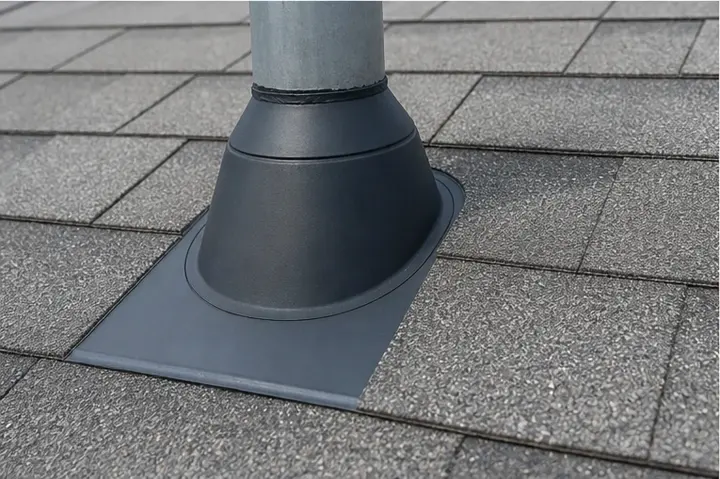
Tight flashing line
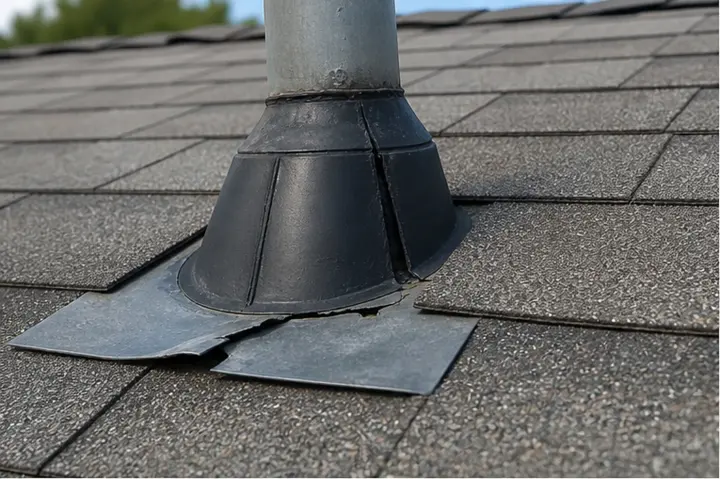
Lifted gap
Symptom 4
Dark streaks
Look for dark vertical streaks or uneven staining across shingle rows.
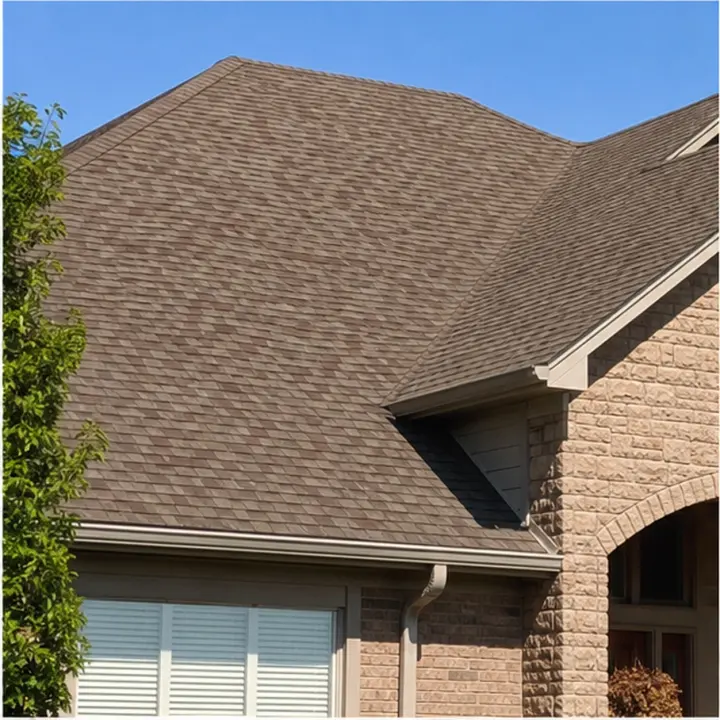
Even color
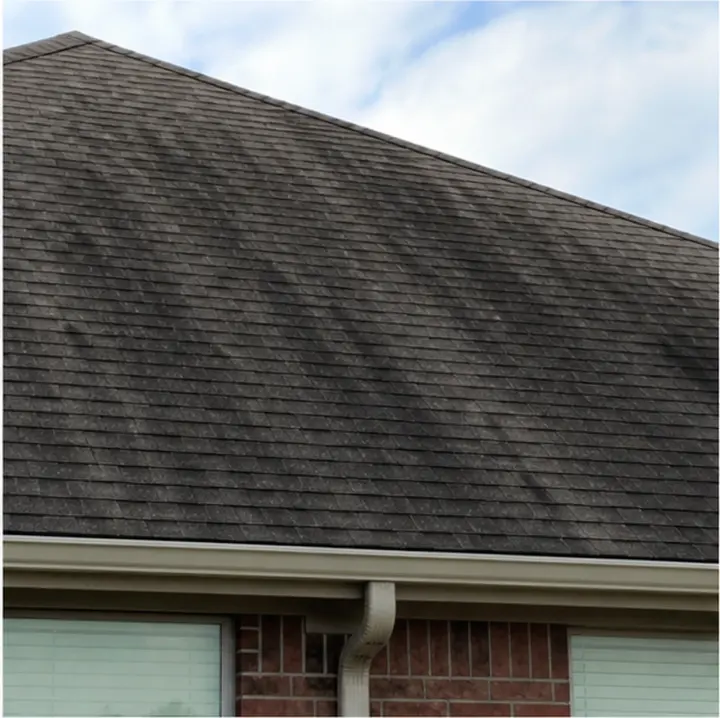
Dark streaks
Symptom 5
Granules near downspouts
Check splash blocks and downspout exits for fresh heavy grit after storms.
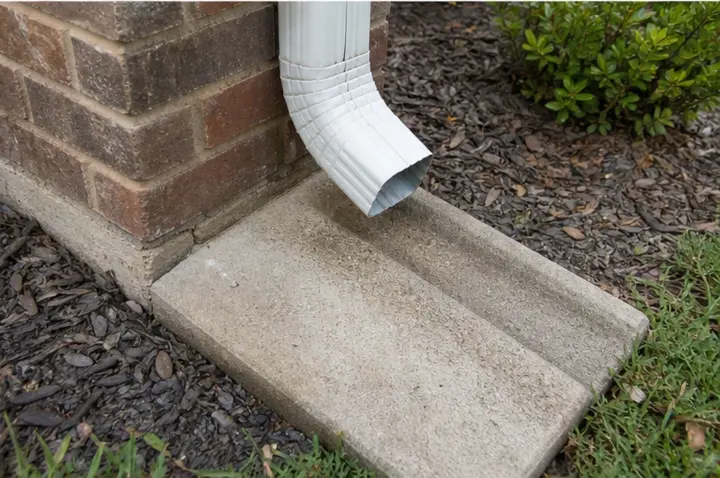
Light grit
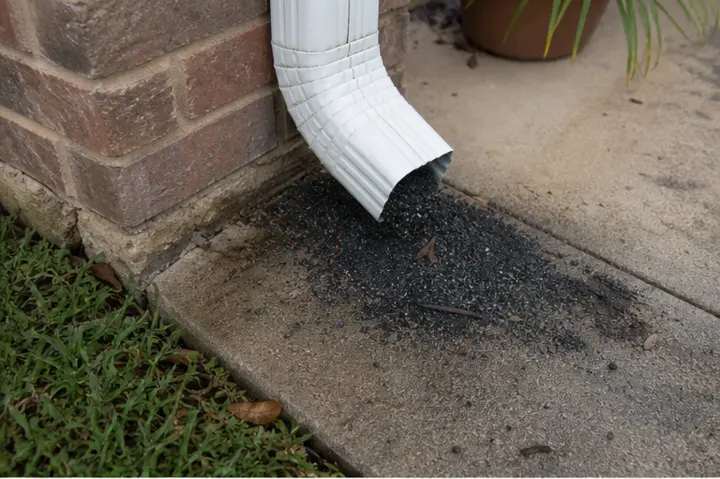
Heavy grit
Symptom 6
New ceiling stains
Inside signs count. Watch for new rings, damp drywall, drips, or musty smells after rain.
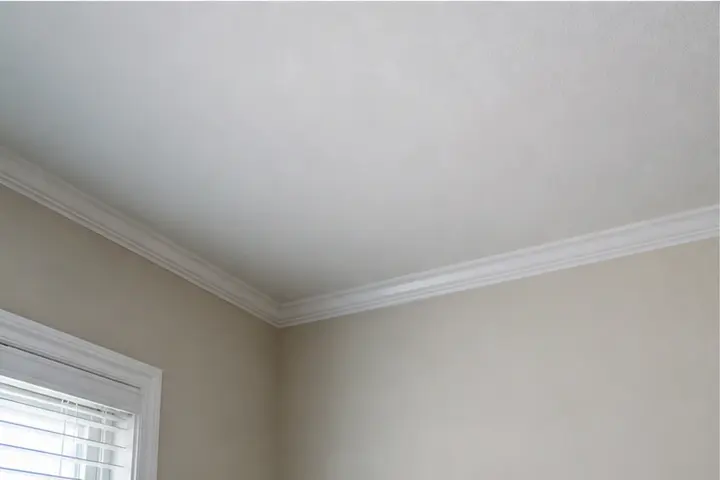
Dry ceiling
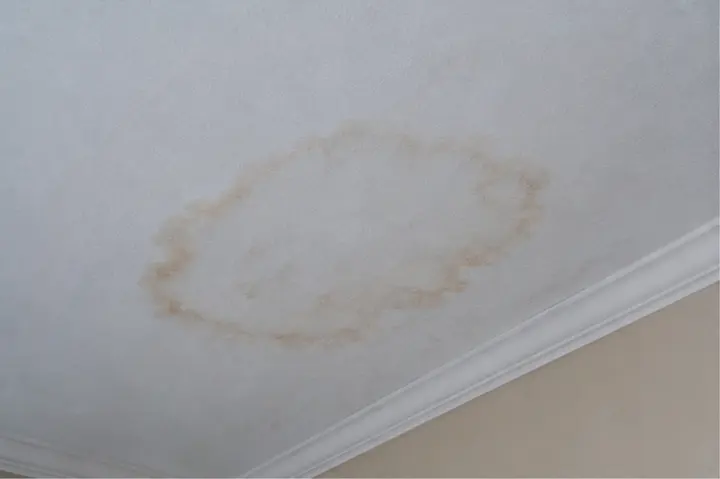
Damp ring
Symptom 7
Sagging areas
From the ground, compare the ridge and roof planes for dips, waves, or uneven lines.
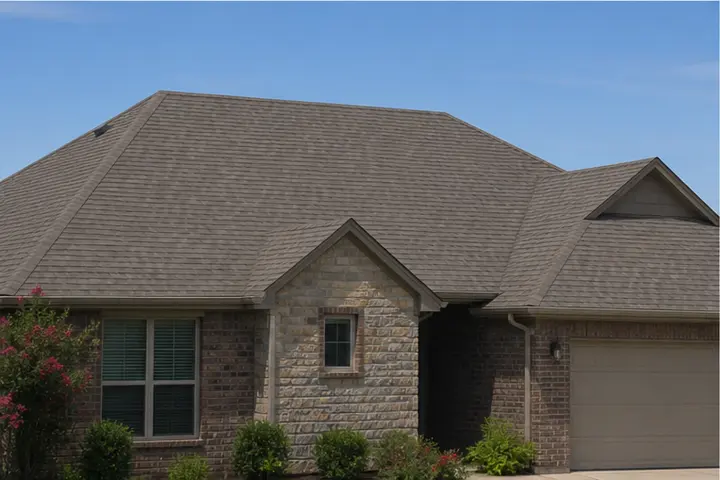
Straight plane
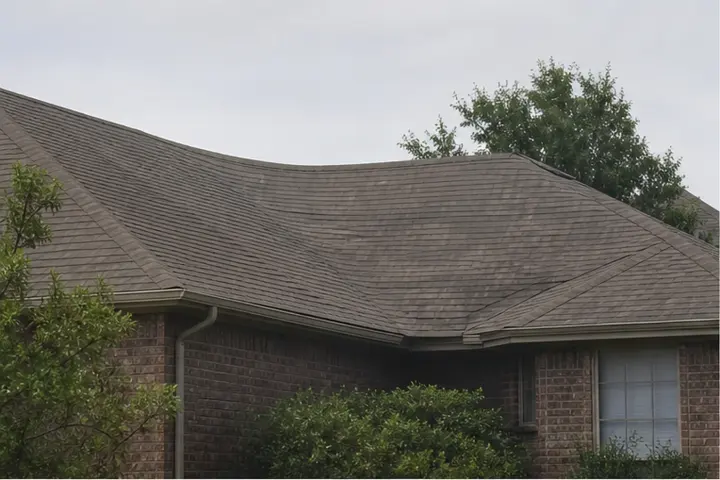
Visible dip
Symptom 8
Water marks in attic or garage
Look inside safe spaces for new stains, damp decking, or water trails after rain.
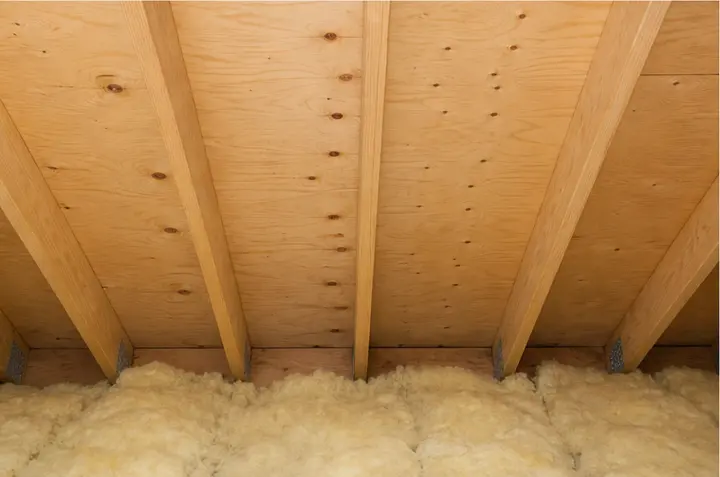
Dry framing
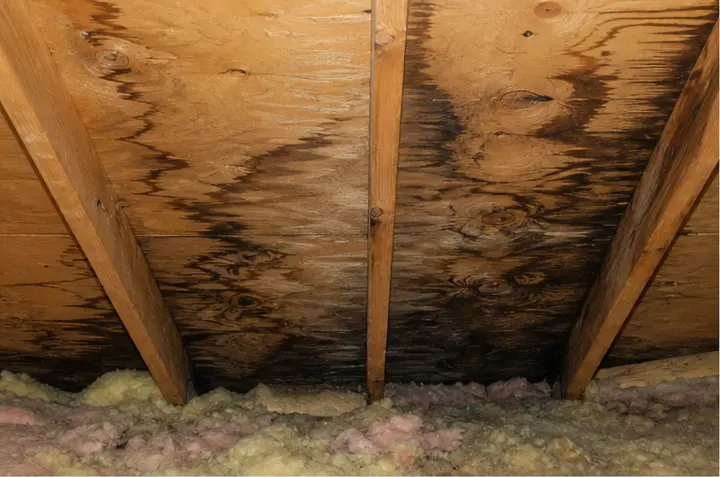
Water marks
When to call
Call a qualified professional instead of continuing
Some signs are not checklist items. They are reasons to pause, avoid unsafe spaces, and call the right professional, utility, insurer, or emergency service.
- Active leaks, drips, or spreading stains after rain.
- Sagging roofline, sagging ceiling, or soft drywall.
- Wet electrical fixtures, outlets, switches, or panels.
- Downed power lines, gas smell, floodwater, or unsafe access around the home.
Sources
Check official guidance first
Roof Neighbor keeps this article focused on safe homeowner documentation. For official storm, disaster, licensing, and insurance guidance, use the original sources below.
-
Oklahoma Insurance Department
Storm Damage -
National Weather Service
Severe Thunderstorm Safety -
CDC
Natural disaster safety guidance -
FEMA
How to Document Damages After Severe Weather Events -
Oklahoma Construction Industries Board
Search Registered Roofing Contractors
Next step
Take the full Roof Check
Answer a few safe questions about storm history, roof age, and visible symptoms. Roof Neighbor gives you a plain-English next step and local roofer context.
Start Roof Check